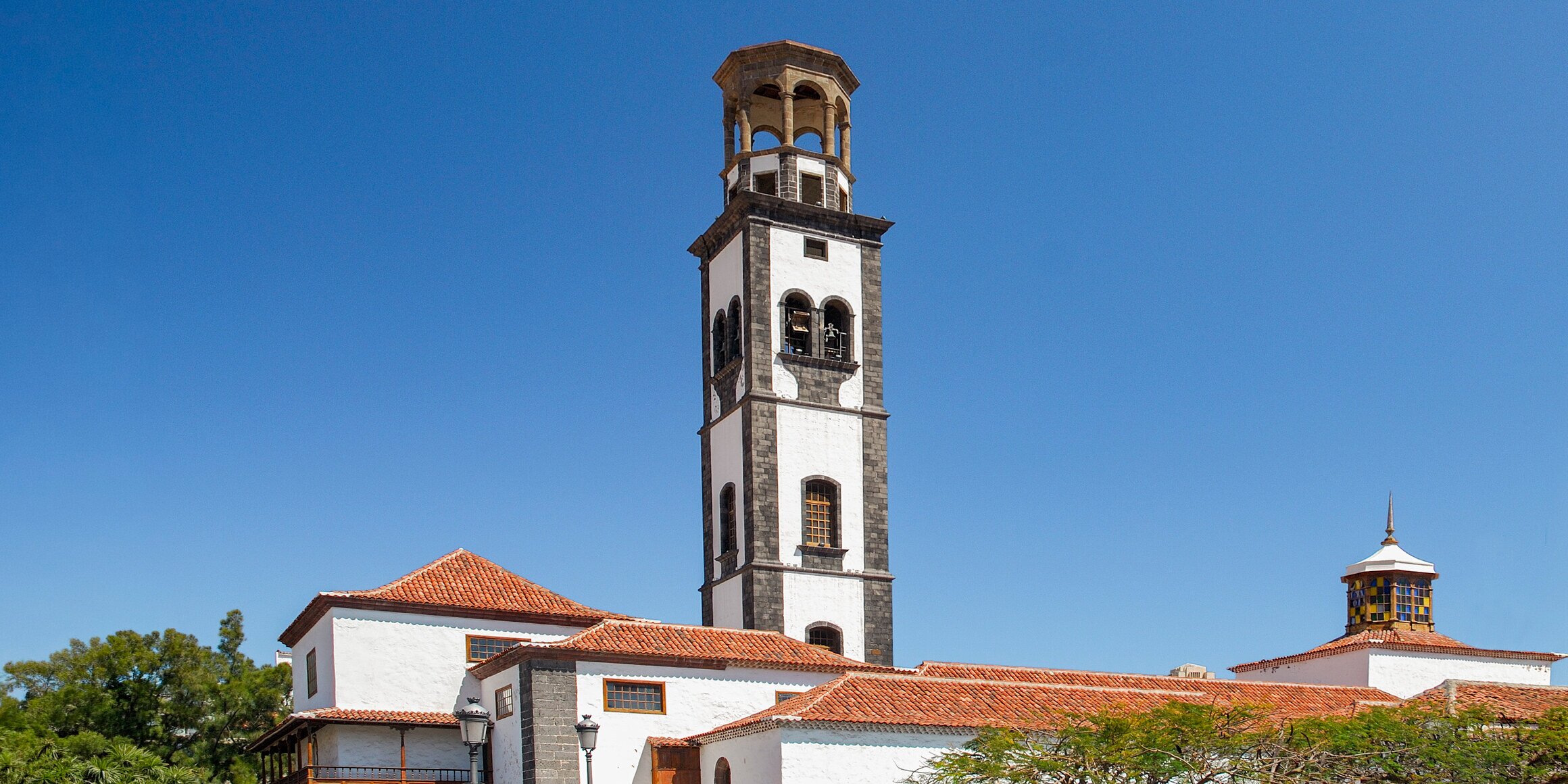


Historic Tenerife: a journey to the soul of the island through its most storied places

Explore the history and heritage of Tenerife through its most charming cities, traditional villages and volcanic landscapes.

Amid the mist of Tenerife’s forests, the Atlantic light that caresses its beaches and the volcanic landscape of Mount Teide, the island harbours an intense and fascinating history. Bahía del Duque, a property of The Tais Hotels & Villas, invites you to discover places where time feels different and where beauty lingers as a form of memory.

This journey through historic Tenerife will take you to some of its most evocative places: charming cities, traditional villages and seafront fortresses, for a cultural tourism experience in Tenerife that goes far beyond sun and beach.

The volcanic origins of Tenerife: an island born of fire
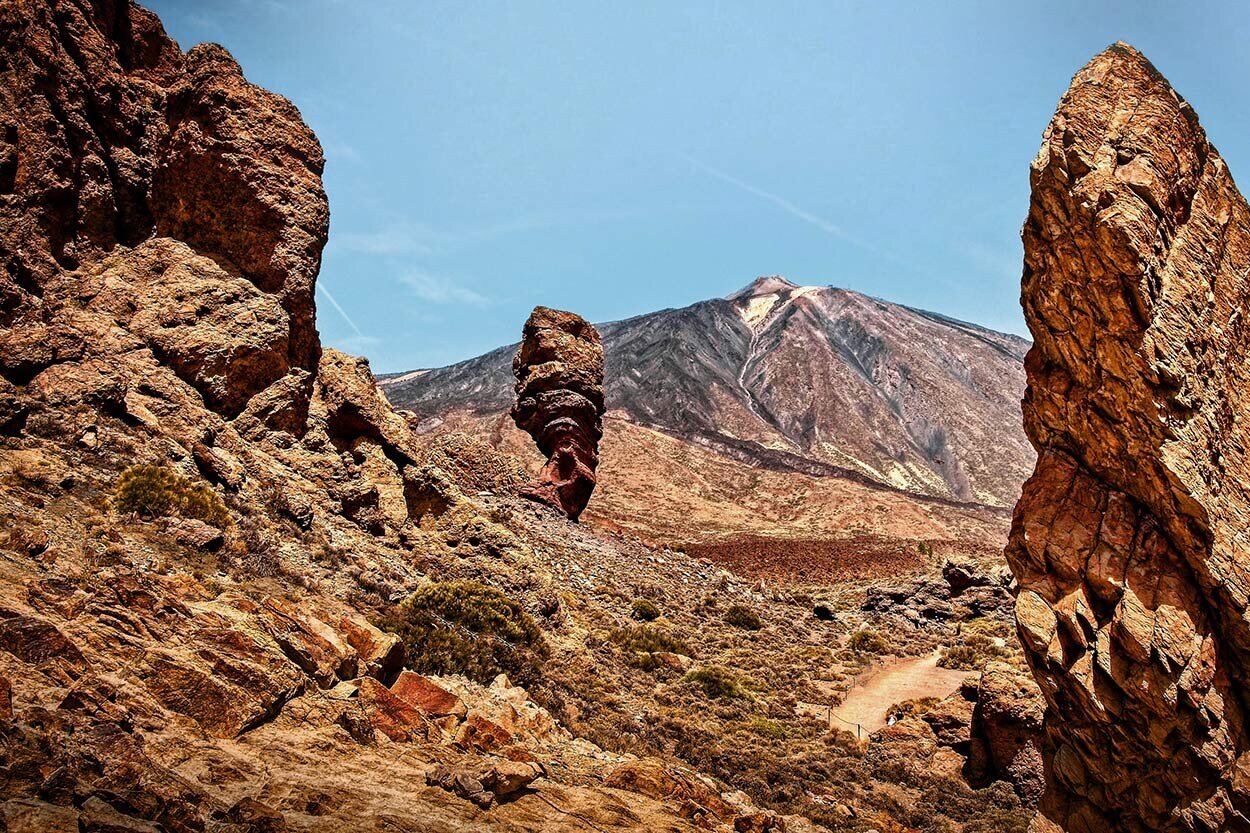
©Turismo de Tenerife

Before Tenerife became home to cultures and civilisations, the island was already writing its own story. Its volcanic origins shaped one of the most singular landscapes in the Atlantic, giving form to mountains, ravines and lava flows that define its character to this day.

Mount Teide, the island’s undisputed symbol and the highest peak in Spain, is not merely a natural landmark but an essential element of its identity and a central symbol of Tenerife’s historical heritage. This primordial landscape shaped the lives of those who came after, marking routes, settlements and a profound relationship between human beings and the land.

To understand Tenerife is to know an island born of fire, where nature and history have always moved hand in hand.

The Guanche legacy and the mystery of the ancestral
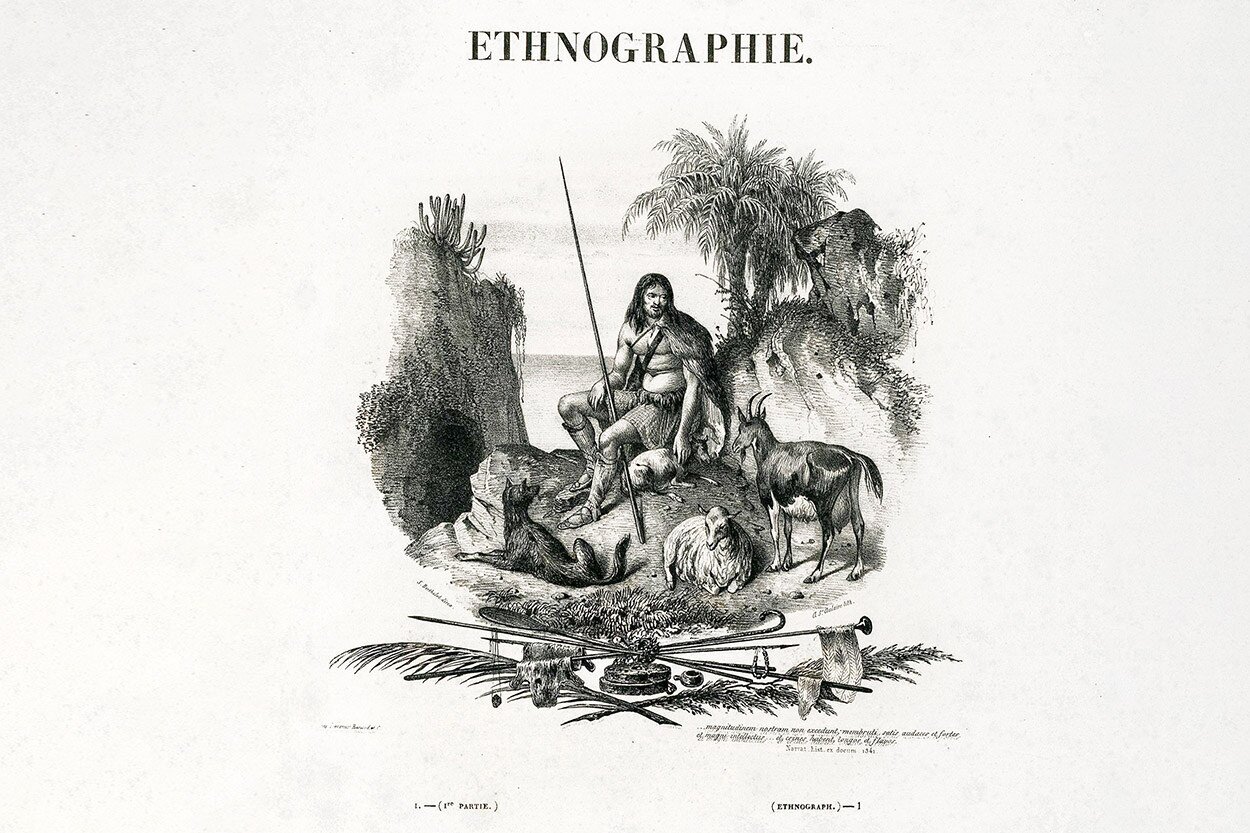
Plate 1 from L’Ethnographie et les annales de la conquête. Philip Barker Webb and Sabin Berthelot, Histoire Naturelle des Îles Canaries, 1842. Lithograph by A. St. Aulaire.

Before the arrival of European conquerors, Tenerife was inhabited by the Guanches, the indigenous people who organised the territory into menceyatos — kingdoms whose culture was deeply rooted in the land.

That legacy can still be felt in the landscape of Tenerife. Sometimes all it takes is to stop, look and sense that a different life existed here before — one that left its mark. For those seeking historical places in Tenerife, this connection with the ancestral is one of the most authentic experiences the island has to offer, discoverable both in museums and in situ in the island’s oldest villages.

The Conquest (1478–1496): the turning point that changed Tenerife’s destiny
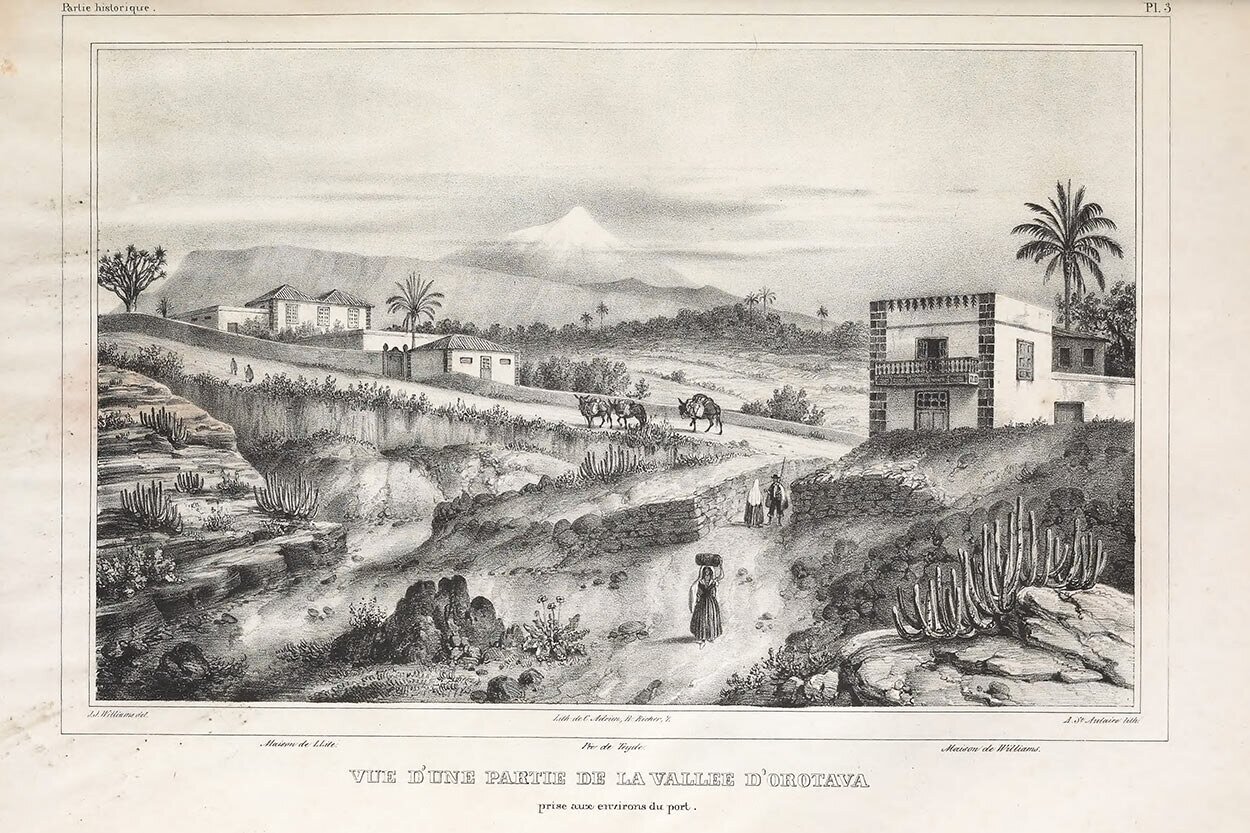
View of Part of the Orotava Valley, taken in the surroundings of the port. Drawing by J.J. Williams, lithograph by A. St. Aulaire. In Philip Barker Webb and Sabin Berthelot, Histoire Naturelle des Îles  Canaries, 1839.

Tenerife’s history took a decisive turn at the end of the fifteenth century when the island was incorporated into the Crown of Castile following a conquest led by Alonso Fernández de Lugo. It was the last of the Canary Islands to be conquered — a key fact in understanding the cultural evolution of the archipelago.

Among the most significant episodes are the Battles of Acentejo and the confrontations in the area of Aguere (La Laguna), where much of the island’s future was decided.

Today, these names live on not only in books but in the emotional map of Tenerife: places that witnessed resistance, transformation and a new beginning. Travelling through the sites where these events unfolded provides a fascinating route for those interested in the history of the Canary Islands and cultural tourism in Tenerife.

San Cristóbal de La Laguna: a UNESCO World Heritage Site in Tenerife
©Turismo de Tenerife

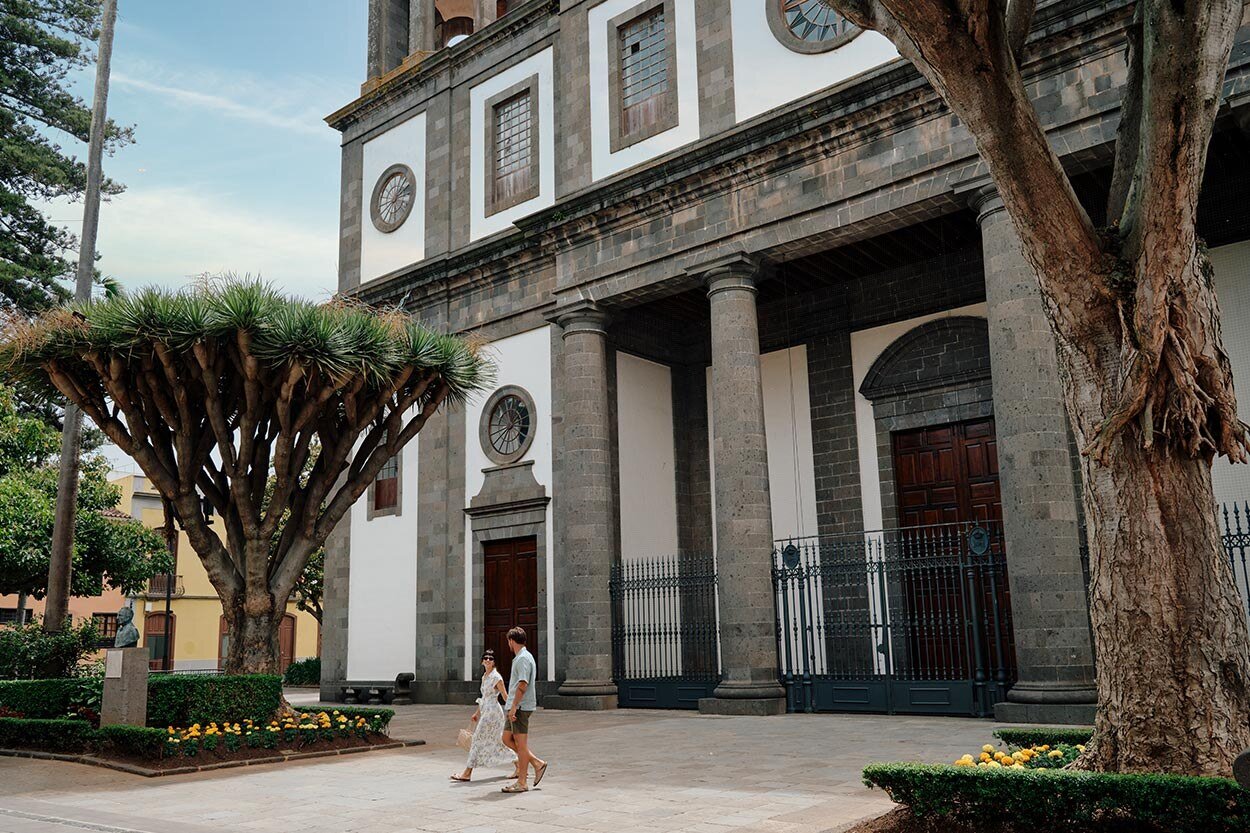
San Cristóbal de La Laguna is one of the most significant historical places in Tenerife, where architecture and urban planning tell centuries of history. Declared a UNESCO World Heritage Site in 1999, La Laguna invites visitors to walk slowly through its streets and admire its noble manor houses, inner courtyards and traditional wooden balconies.

It is undoubtedly one of the most rewarding cities for those looking for things to see in Tenerife beyond the beach.

Santa Cruz de Tenerife: a defence against the Atlantic
©Turismo de Tenerife

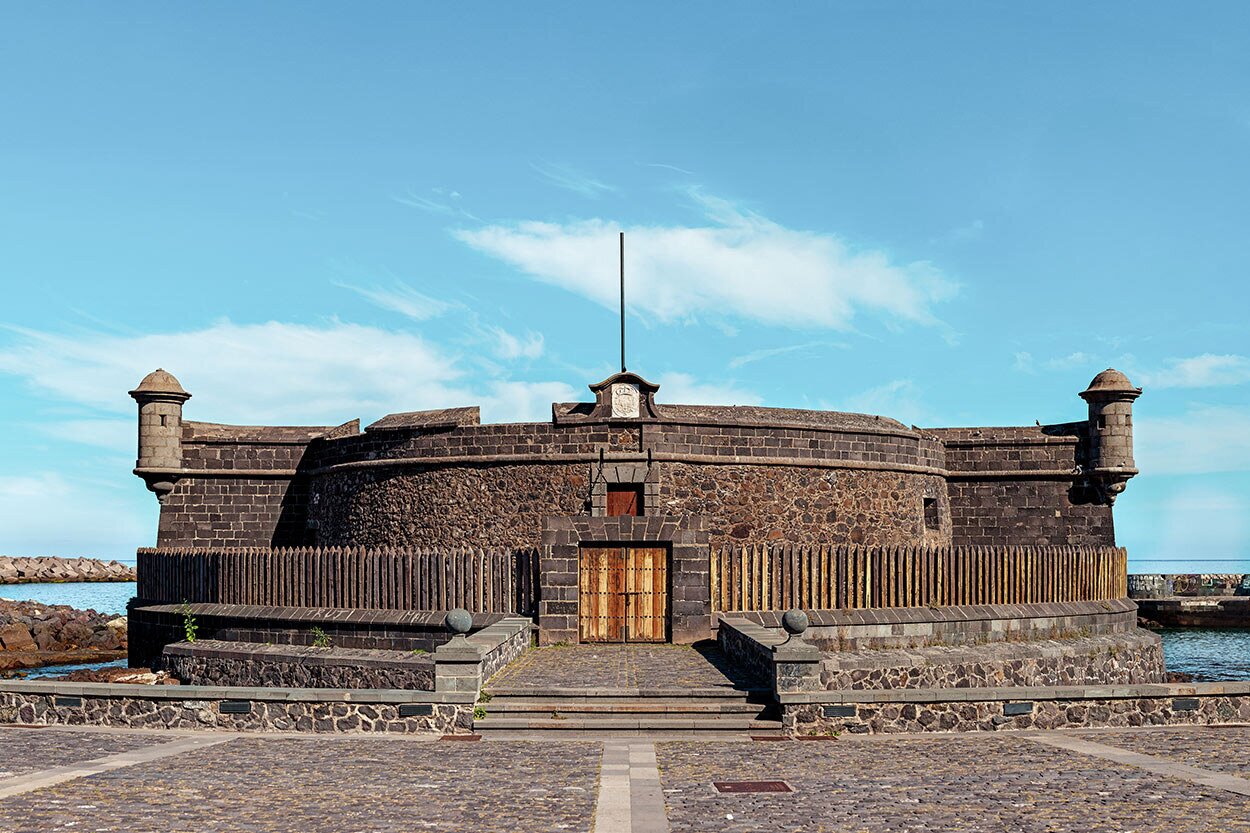
Tenerife was also a strategic island and maritime frontier. The island’s capital holds a history deeply connected to the sea and the defence of its territory. That defensive history is most clearly seen in the Castillo de San Juan Bautista, popularly known as the Castillo Negro — one of the best-preserved castles on the island and listed as Spanish Historical Heritage.

The defensive story of Santa Cruz is completed by other essential landmarks, such as the Castillo de San Cristóbal, now integrated beneath the Plaza de España, and the old coastal batteries that once protected the bay.

Here, facing the ocean, the role of Tenerife as a strategic port and Atlantic gateway to other worlds becomes clear.

La Orotava: historic village, Canarian tradition and beauty
©Turismo de Tenerife

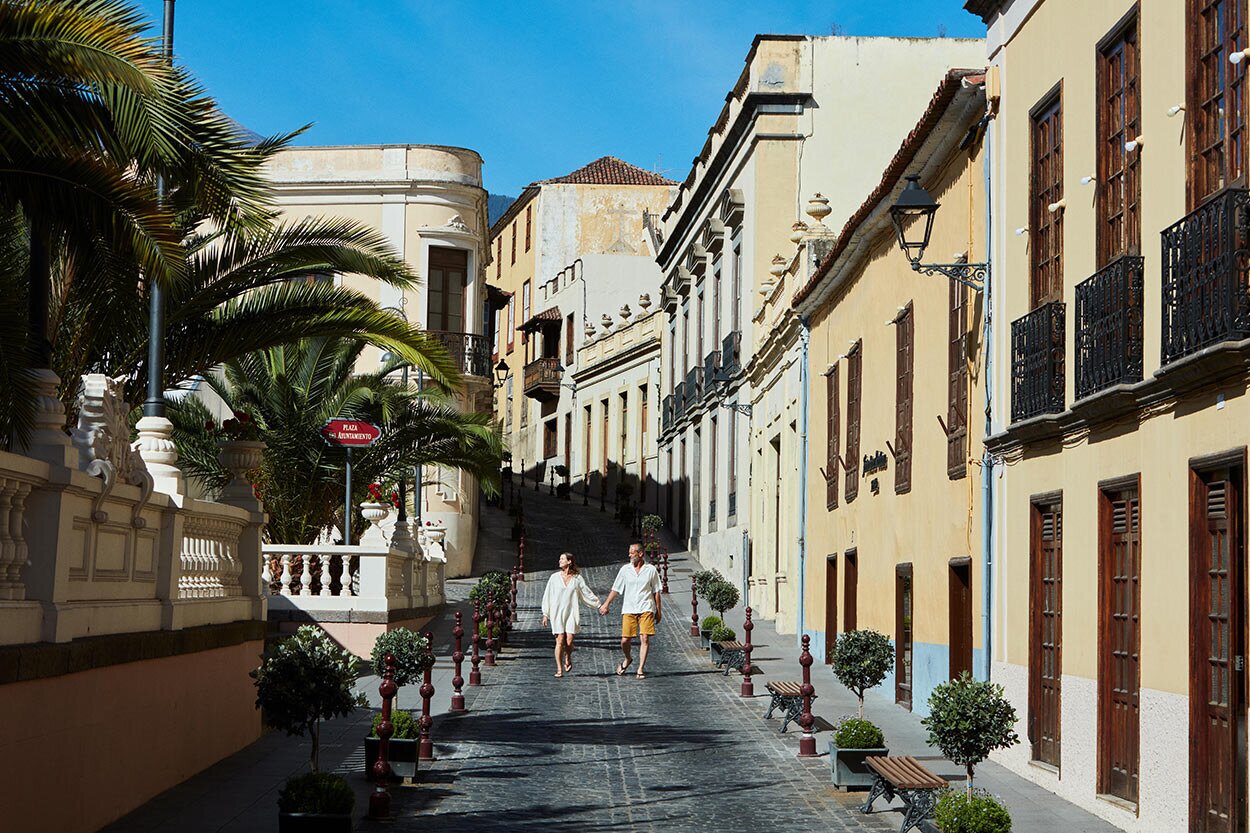
To the north, the valley opens like a natural amphitheatre and, at its heart, lies La Orotava — one of the most beautiful and traditional historic villages on the island. Its past reaches back to pre-Hispanic times and, later, to the cultural evolution that followed the conquest.

Walking its streets is to encounter an exceptional architectural heritage: carved wooden balconies, characterful squares and corners where history seems carefully preserved. For many travellers, it is an unmissable stop on any tour of charming villages in Tenerife. La Orotava needs no grand gestures to impress — it captivates with its traditions and craftsmanship. It is also a place where it is easy to be surprised by the flavours of Canarian cuisine at one of its famous guachinches (traditional local wine taverns serving home-cooked food).

Tenerife: an island to be lived and felt
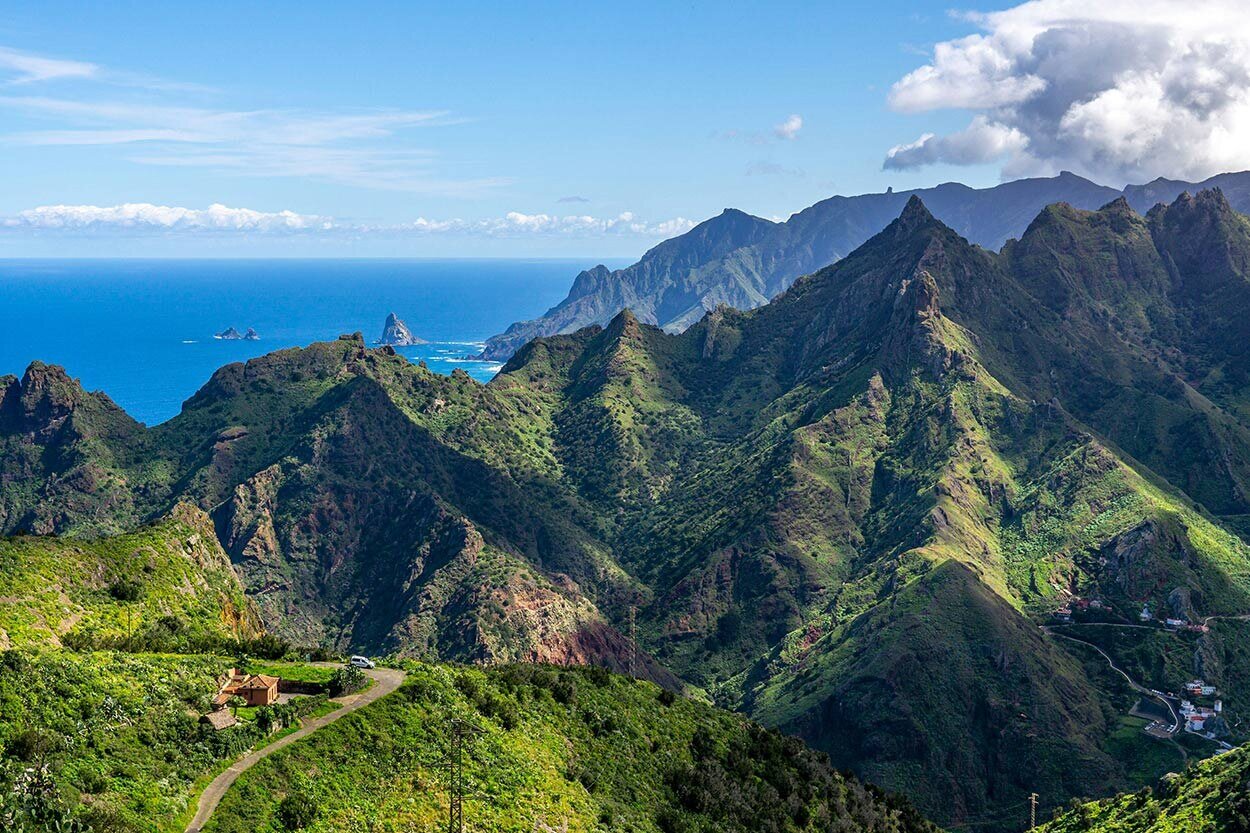
Photo by Hendrik Cornelissen on Unsplash

Tenerife moves you through its nature, yes — but also through its history. Because here, heritage is not only monumental: its cultural legacy can be felt in every corner, in the dialogue between landscape and cities, and in the way each era left its own character.

Tenerife is far more than a sun destination: it is a territory of culture, heritage and memory, where every stone seems to whisper of a past filled with menceyes and conquerors, oceanic routes, defensive castles and cities built to face the future.

From Bahía del Duque, discovering historic Tenerife becomes a serene and deeply enriching experience, with every excursion tailored to the pace and interests of each guest.
Discover the island and create the journey of your dreams with our personalised Tenerife by BDD experiences — designed for you to explore endless landscapes, feel the thrill of adventure or simply unwind and find your balance. A tailor-made journey, created by and for you.

Contact our Concierge Club House for all available options.

Newsletter

Through this subscription, you will receive information of your interest about the Hotel Bahía del Duque.

Newsletter

A través de esta suscripción, recibirá información de su interés sobre el Hotel Bahía del Duque.

Cookie Policy

Cookies policy

What are cookies?

Cookies are files that can be downloaded to your computer through web pages. They are tools that play an essential role in the provision of numerous services of the information society. Among others, they allow a web page to store and retrieve information about the browsing habits of a user or their equipment and, depending on the information obtained, they can be used to recognize the user and improve the service offered.

Types of cookies

Depending on who is the entity that manages the domain from where the cookies are sent and treats the data obtained, two types can be distinguished:

• Own cookies: those that are sent to the user's terminal equipment from a computer or domain managed by the editor itself and from which the service requested by the user is provided.

• Third-party cookies: those that are sent to the user's terminal equipment from a computer or domain that is not managed by the publisher, but by another entity that processes the data obtained through cookies.

In the event that cookies are installed from a computer or domain managed by the publisher himself, but the information collected through them is managed by a third party, they cannot be considered as own cookies.

There is also a second classification according to the period of time that they remain stored in the client's browser, which may be:

• Session cookies: designed to collect and store data while the user accesses a web page. They are usually used to store information that is only of interest for the provision of the service requested by the user on that single occasion.

• Persistent cookies: the data is still stored in the terminal and can be accessed and processed for a period defined by the person responsible for the cookie, which can range from a few minutes to several years.

Finally, there is another classification with five types of cookies according to the purpose for which the data obtained is processed:

• Technical cookies: those that allow the user to navigate through a web page, platform or application and use the different options or services that exist in it, such as, for example, controlling traffic and data communication, identifying the session, access parts of restricted access, remember the elements that make up an order, carry out the process of purchasing an order, make a request for registration or participation in an event, use security elements while browsing, store content for dissemination of videos or sound or share content through social networks.

• Personalization cookies: allow the user to access the service with some predefined general characteristics based on a series of criteria in the user's terminal, such as the language, the type of browser through which to access the service, the regional configuration from where to access the service, etc.

• Analysis cookies: they allow the person responsible for them to monitor and analyze the behavior of the users of the websites to which they are linked. The information collected through this type of cookies is used to measure the activity of the websites, application or platform and to create navigation profiles of the users of these sites, applications and platforms, in order to introduce improvements  based on the analysis of the usage data made by the users of the service.

• Advertising cookies: allow the management, in the most efficient way possible, of the advertising spaces.

• Behavioral advertising cookies: they store information on the behavior of users obtained through the continuous observation of their browsing habits, which allows the development of a specific profile to display based on such behavior.

• Cookies from external social networks: they are used so that visitors can interact with the content of different social platforms (facebook, youtube, twitter, linkedIn, etc.) and that are generated only for users of said social networks. The conditions of use of these cookies and the information collected are regulated by the privacy policy of the corresponding social platform.

Deactivation and elimination of cookies

You have the option to allow, block or delete the cookies installed on your computer by configuring the browser options installed on your computer. By deactivating cookies, some of the available services may no longer be operational. The way to disable cookies is different for each browser, but it can usually be done from the Tools or Options menu. You can also consult the Help menu of the browser where you can find instructions. The user may at any time choose which cookies he wants to work on this website.

You can allow, block or delete the cookies installed on your computer by configuring the browser options installed on your computer:

• Microsoft Internet Explorer o Microsoft Edge:

http://windows.microsoft.com/es-es/windows-vista/Block-or-allow-cookies

• Mozilla Firefox: http://support.mozilla.org/es/kb/impedir-que-los-sitios-web-guarden-sus-preferencia

• Chrome: https://support.google.com/accounts/answer/61416?hl=es

• Safari: http://safari.helpmax.net/es/privacidad-y-seguridad/como-gestionar-las-cookies/

• Opera: http://help.opera.com/Linux/10.60/es-ES/cookies.html