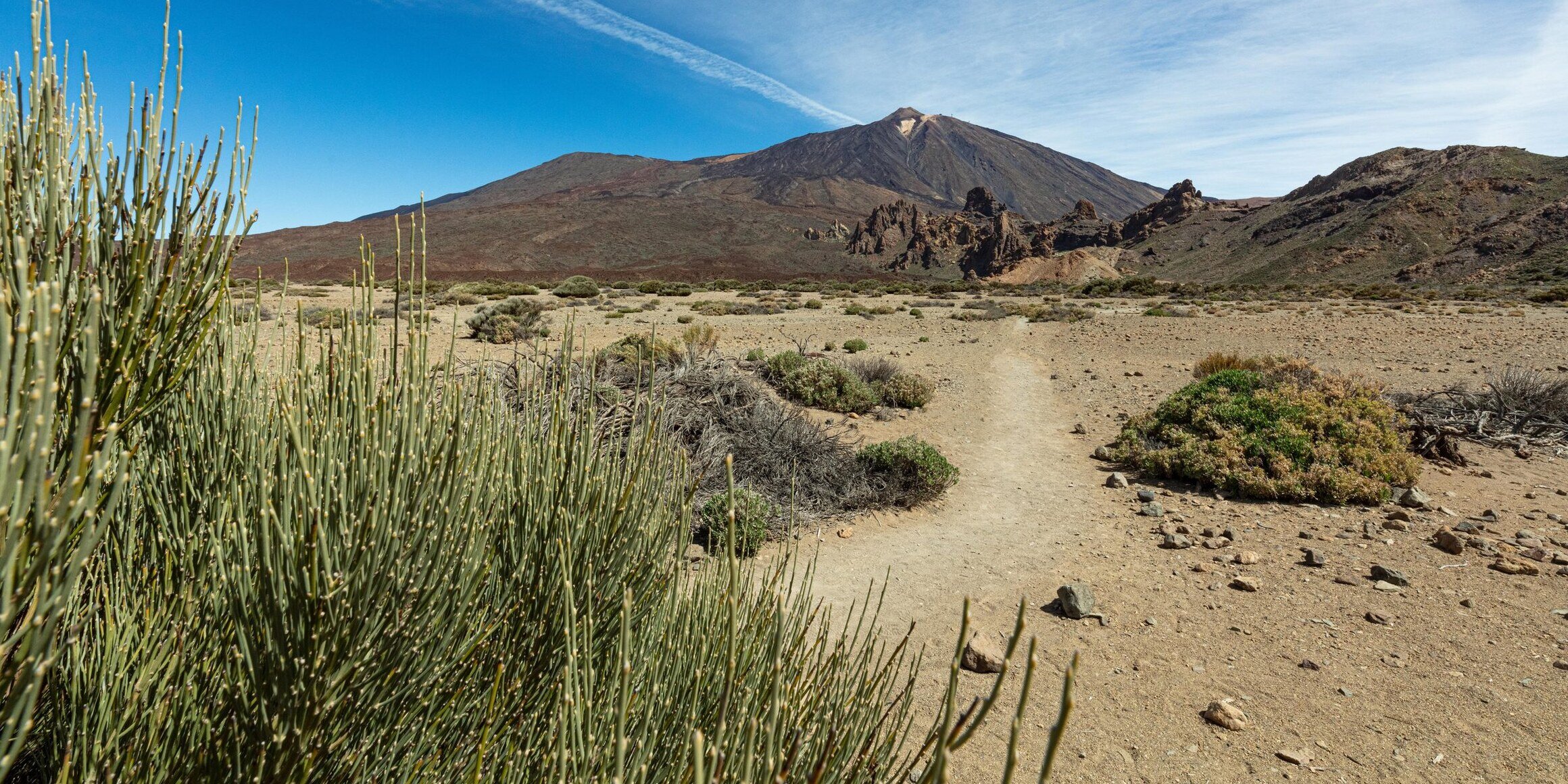


Delve into the deepest layers of Tenerife’s history: the Guanche legacy, its myths, traditions and the enduring imprint of an aboriginal culture that remains alive in the soul of the island.
Tenerife is much more than volcanoes and beaches. Beneath its contrasting landscapes lies an ancient, rich and fascinating history. It is the heritage of a proud people. To speak of Guanche culture is to speak of the island’s origins, its first inhabitants, their customs and a legendary imagination that forms an inseparable part of Canarian identity.
At Bahía del Duque, we invite you to discover the island’s traditions through a cultural, authentic and contemporary perspective, ideal for those wishing to explore Tenerife and uncover experiences connected to its heritage. Join us on this journey through the history of Tenerife.
The Guanche legacy in Tenerife
Before the arrival of European conquerors, Tenerife was inhabited by the Guanches, a people whose origins continue to be studied, although the most widely accepted theory points to a North African Berber ancestry.
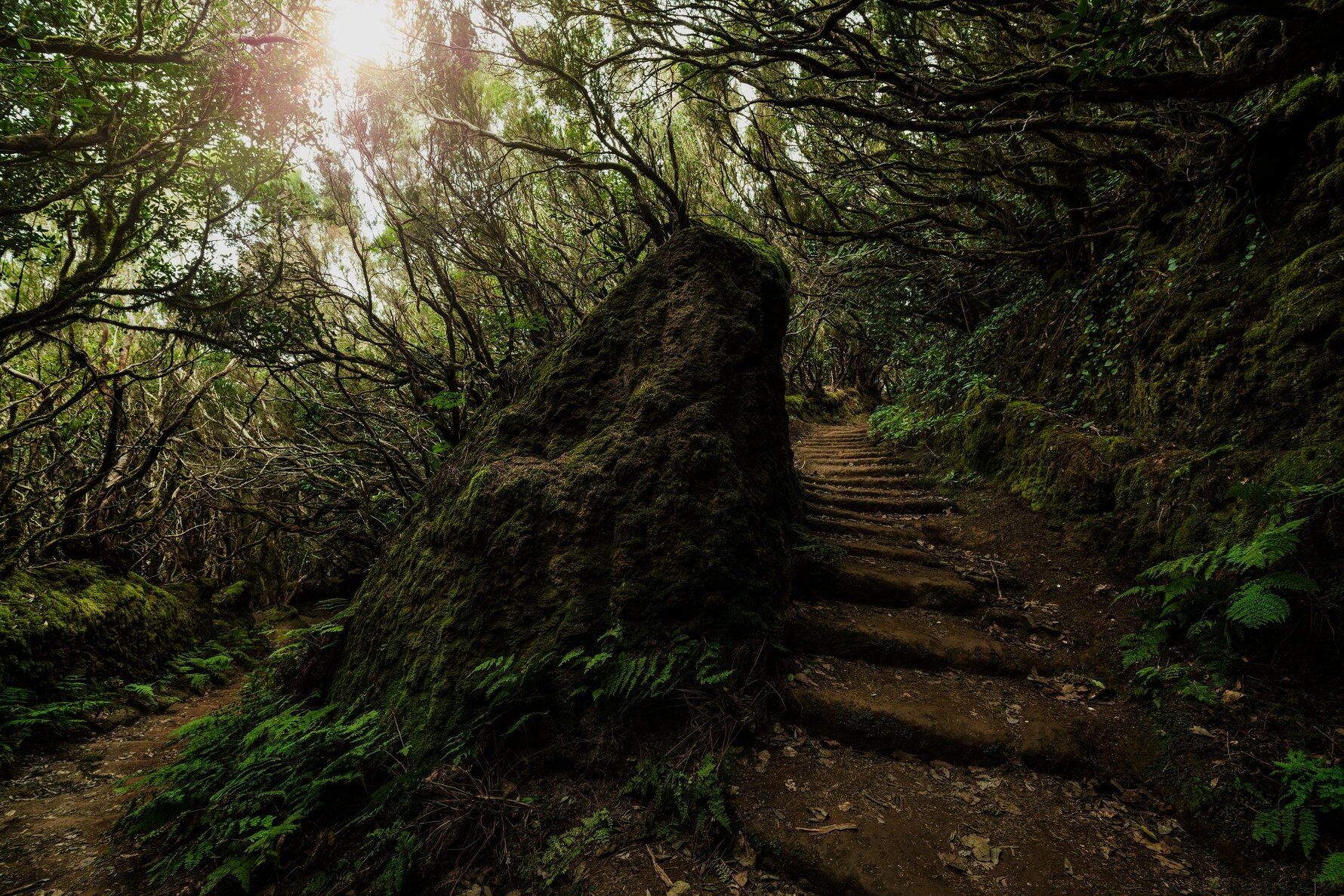
The Guanches were characterised by a strong connection with nature and their own social organisation: the island was divided into nine menceyatos, or kingdoms, each ruled by a mencey. Their knowledge of the land enabled them to adapt to a volcanic and ever-changing environment. Their memory endures through archaeological discoveries and the island’s place names.
Their way of life, beliefs and relationship with the natural environment profoundly shaped the history of Tenerife and left a legacy that can still be appreciated today in archaeological sites, museums and heritage trails.
The Guanches left no written records, but they did leave their mark: in the caves they inhabited, in the petroglyphs carved into rock, in their funerary rites and in an oral tradition that passed down their vision of the world for centuries.
Guayota and Mount Teide: Tenerife’s most powerful legend
Among all Tenerife’s traditions of Guanche origin, the legend of Guayota is undoubtedly the most famous and the one that best reveals the spiritual dimension of this people.
According to the legend, one day nature became so disturbed that the Guanches interpreted it as a sign of the devil’s arrival. Following this upheaval of the elements came Guayota, the devil, who abducted Magec, the god of the sun and light. Within moments, night overcame day and the world was plunged into darkness.
Desperate, the Guanches turned to their supreme god Achamán who answered the people’s call, defeated Guayota and freed Magec, sealing the evil being inside the volcano, where it is said he still wanders, waiting for the moment he can emerge once again.
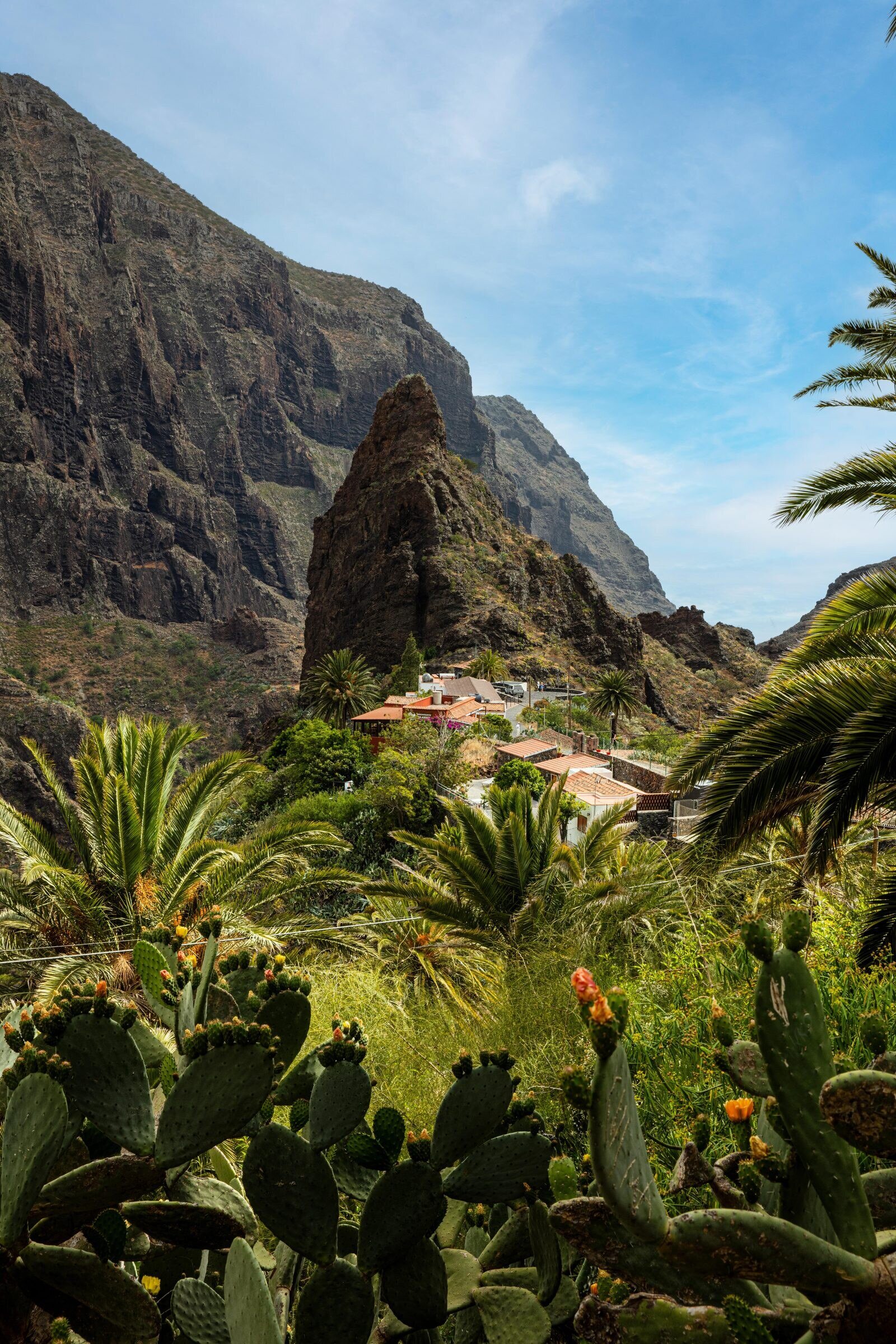
This legend, passed down through generations, reveals the way in which the Guanches interpreted natural phenomena and the central role of Mount Teide in their worldview. Today, a visit to Teide National Park is also a journey into this symbolic memory.
The Guanche language: Words that endure
Although the Guanche language disappeared as a means of communication after the conquest, it left a remarkable imprint on the vocabulary and place names of Tenerife and the rest of the archipelago. Many of the words that form part of Canarian Spanish today have direct roots in this ancestral language.
Words such as baifo, tabaiba and gánigo remain part of the Canarian vocabulary and originate directly from the language of the island’s ancient inhabitants. Even the term Guanche, which originally referred only to the people of Tenerife, eventually came to be used for all the pre-Hispanic peoples of the archipelago.
This linguistic survival is one of the most enduring ways in which the Guanche legacy continues to be present in everyday life across the islands.
Guanche traditions that survive in Tenerife
The Castilian conquest of Tenerife (1494–1496) marked the end of Guanche society as it was known, but many elements of its culture endured, blending with the influences that arrived afterwards. Some of Tenerife’s most deeply rooted traditions have direct origins in this ancestral past.
Gofio, a staple food made from toasted and ground cereals, was already a fundamental part of the Guanche diet before the conquest and remains present in Canarian gastronomy today. Lucha Canaria, the traditional Canarian wrestling style, preserves a practice already performed by the islands’ aboriginal peoples. Juego del Palo (stick fighting), another traditional sport that has been historically documented, also derives from the combat techniques used by aboriginal shepherds, who always carried a staff that served both as support when travelling and as a tool for managing livestock.
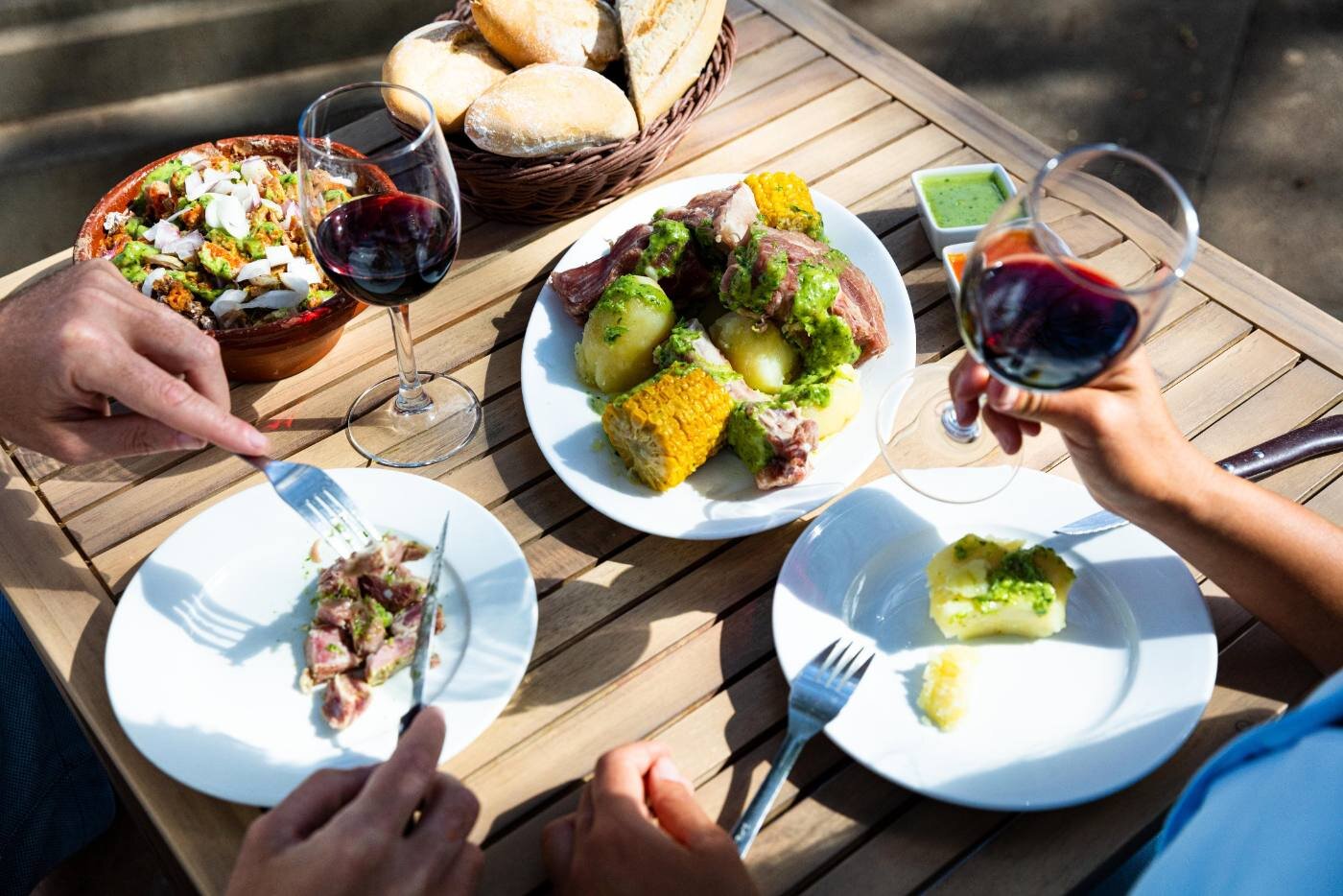
Every 30 May, Canary Islands Day gives special prominence to these traditions through festivals, cultural events and celebrations held across all the islands’ municipalities, highlighting the shared identity of the archipelago.
Where to discover Guanche history in Tenerife
For those wishing to explore the history of Tenerife and the Guanche legacy in greater depth, the island offers several places of particular interest:
- Museum of Nature and Archaeology (MUNA), Santa Cruz de Tenerife: An essential museum for understanding Guanche culture. It houses archaeological remains, Guanche mummies and artefacts that offer a respectful insight into this fascinating civilisation.
- Cueva del Viento, Icod de los Vinos: Europe’s longest volcanic lava tube is also a site connected to the island’s human history, as aboriginal tools have been discovered within it. A guided visit provides an understanding of both Tenerife’s volcanic geology and its earliest past.
- Anaga Rural Park: Declared a UNESCO Biosphere Reserve, its walking trails connect laurel forests with small villages such as Taganana, which preserve the memory of the island’s aboriginal past.
Canary Islands Day: A celebration of identity
The history of Tenerife is not a closed narrative. It is an ongoing conversation between past and present, between Guanche legends and the festivities that continue to honour their memory, such as Canary Islands Day, a particularly significant celebration held every 30 May. It is a day that highlights shared identity, traditions and the diversity of expressions that make up Canarian culture.
We invite you to visit our island with curiosity, attentiveness and respect, because in doing so, any journey becomes a far richer and more meaningful experience.
At Bahía del Duque, a five-star hotel in Costa Adeje, we invite you to discover the most authentic side of Tenerife through our personalised experiences: cultural routes, guided visits and bespoke proposals tailored to your interests, allowing you to connect with the island in a different way. To learn more about the available options, please contact our Concierge Club House.