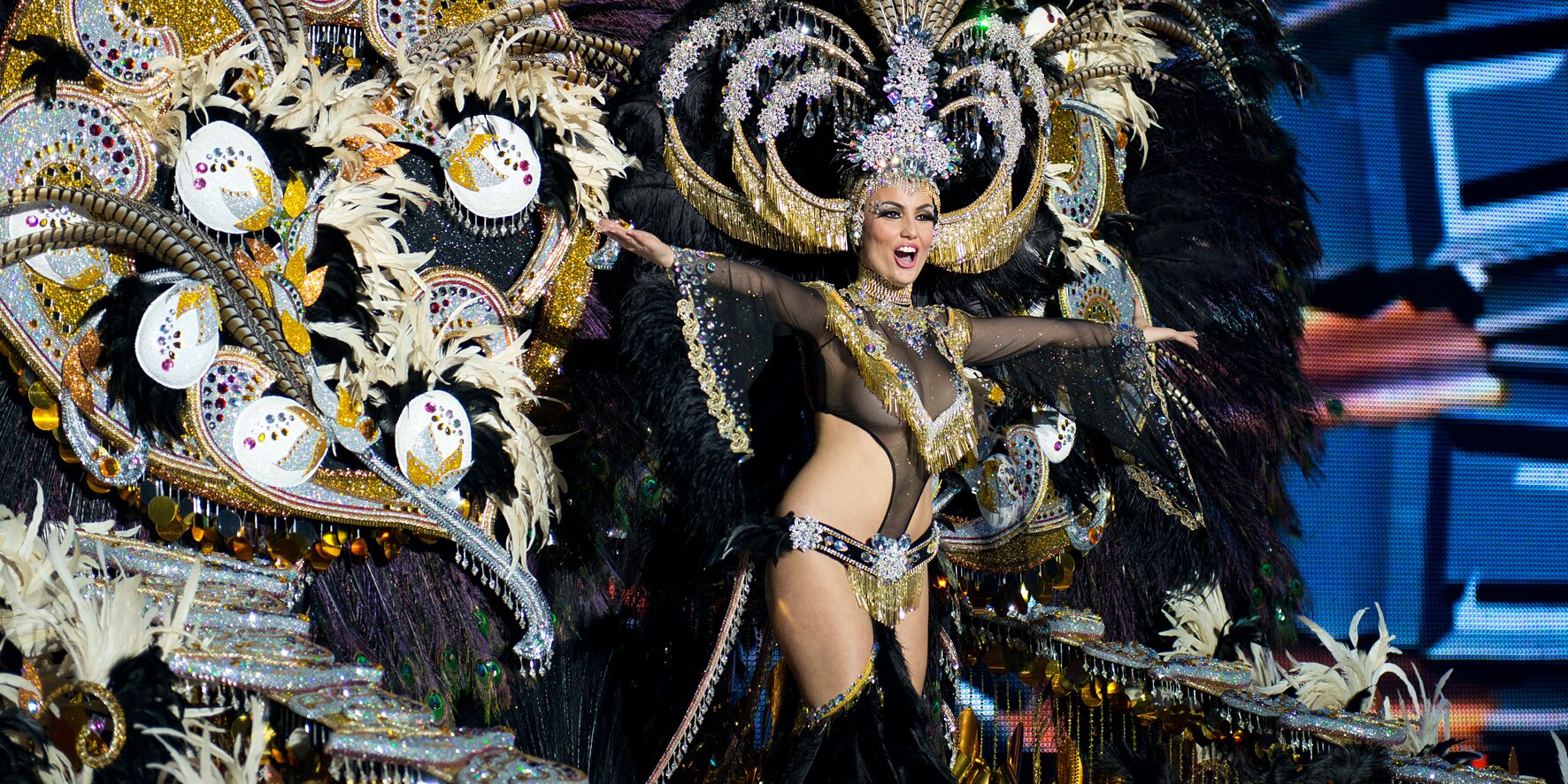


Tenerife Carnival: tradition, emotion, and a unique way to experience the island

An intimate look at Tenerife Carnival through the eyes of its people, where culture, creativity and shared emotion bring the island’s traditions to life.

At Bahía del Duque, we believe that the true essence of the island — its character, its energy and its soul — is best understood through its people. Few celebrations reflect this collective spirit as powerfully as Tenerife Carnival, a festival that goes far beyond parades and spectacle to become a profound expression of Tenerife culture.

More than a festive event, Carnival is a living manifestation of Tenerife traditions, shaped by community, creativity and a deep sense of belonging. Experiencing it is a way of discovering the island from within, through the people who bring it to life year after year.

Creativity born from community spirit

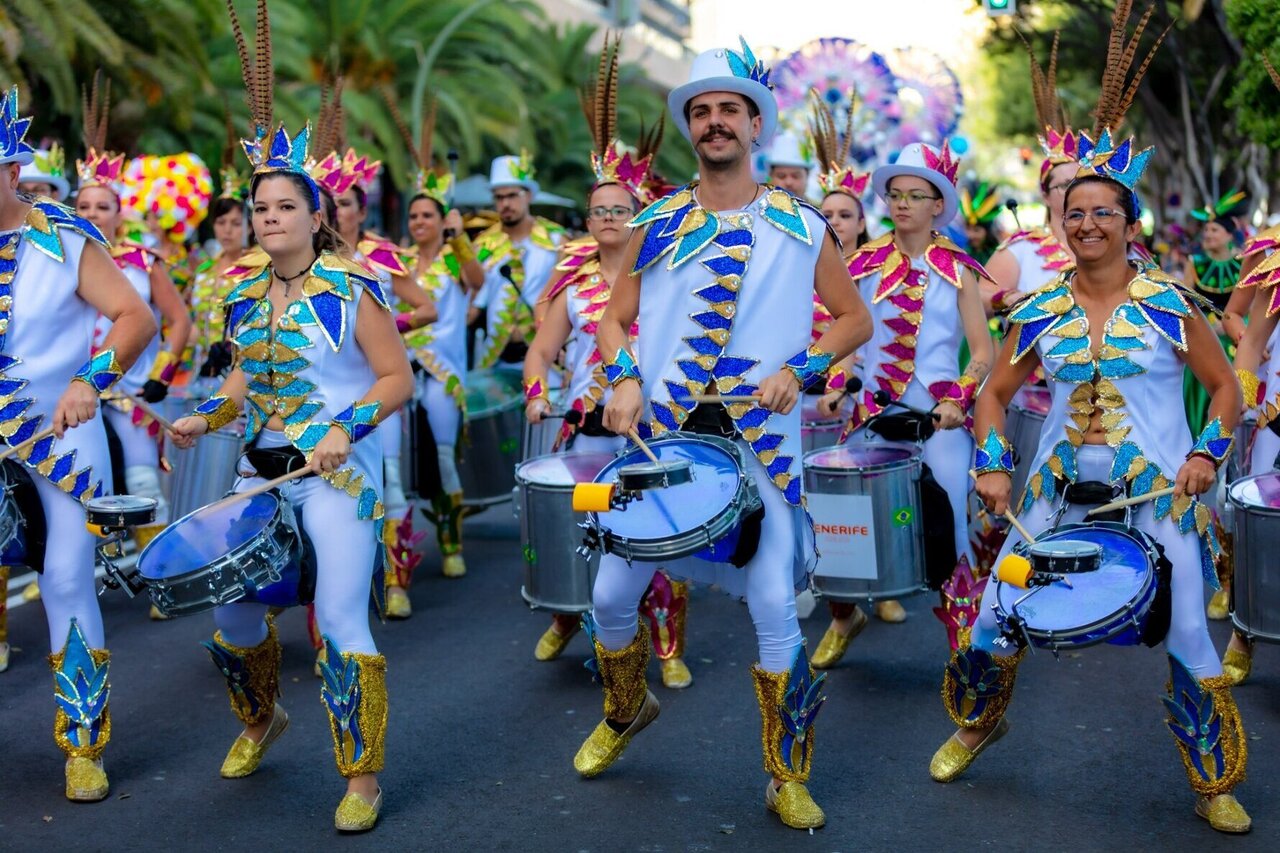
Long before the first drumbeat echoes through the streets, neighbourhood workshops become the true heart of Carnival. Behind closed doors, dressmakers, carpenters, welders, make-up artists and entire families devote months to creating costumes and structures that may only be seen for a few fleeting moments, yet embody immense dedication and passion. At its core, Tenerife Carnival is a collective creation. Many groups rely on raffles, charity sales, local support and small contributions from neighbours. Preparation becomes a shared project that unites whole communities and strengthens one of the island’s most authentic celebrations and traditions
©Turismo de Tenerife

An emotional legacy passed down through generations

Carnival is an integral part of the island’s identity and is passed naturally from parents to children. It evokes childhood memories of improvised costumes at home, living rooms transformed into workshops, family debates about the Queen’s Gala, and the excitement of wearing a first costume. That same spirit continues into adulthood. Comparsas rehearse for weeks after the working day ends; float builders work quietly, knowing their creations will later fill the streets with wonder; and in the murgas, humour and music create bonds that become a second family. All of this turns Carnival into a ritual of belonging, deeply rooted in Tenerife culture.

A personal voice: Carnival from within

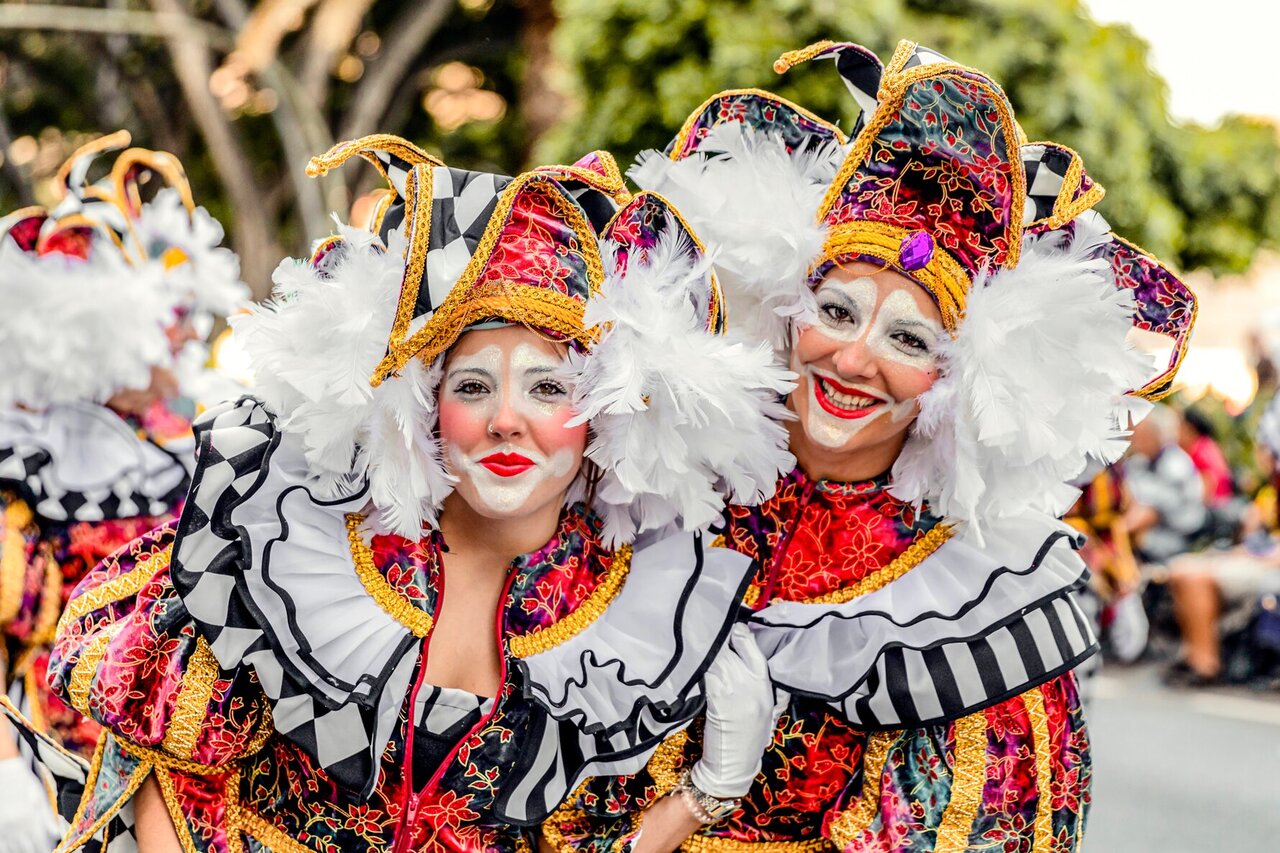
For many islanders, Carnival is deeply personal. Sara Morales Zamorano, Director of Branding and a member of the Zamorano family, owners of Bahía del Duque, a hotel of The Tais Hotel & Villas, embodies this emotional connection to the celebration. Her passion began in childhood, inspired by parents who were closely involved in Carnival and regular participants in costume competitions.

“For me, Carnival has always been a moment of pure joy. I grew up watching my parents prepare their costumes every year, and those memories stay with me to this day. Carnival is still a time I protect and cherish,” explains Sara.

Each year, she plans her holidays around the festivities, spending months designing and preparing costumes with friends. For her, the creative process is already part of the celebration — an emotional experience that reflects the value of sharing.

This commitment also extends to the institutional level. The Zamorano family has historically supported Carnival through sponsorships and active involvement, reaffirming their connection to one of the most representative Tenerife traditions.
©Turismo de Tenerife

When everyday life turns into Carnival

In the weeks leading up to the festivities, the rhythm of the island changes naturally. Rehearsals stretch late into the night, conversations revolve around costumes and song lyrics, shops extend their opening hours and restaurants become meeting points. For residents, this transformation is not a disruption but a clear sign that excitement is building. Carnival becomes part of everyday life, creating an atmosphere felt in every corner of the island and announcing the arrival of one of the most anticipated moments of the year.

A celebration open to the world without losing its roots

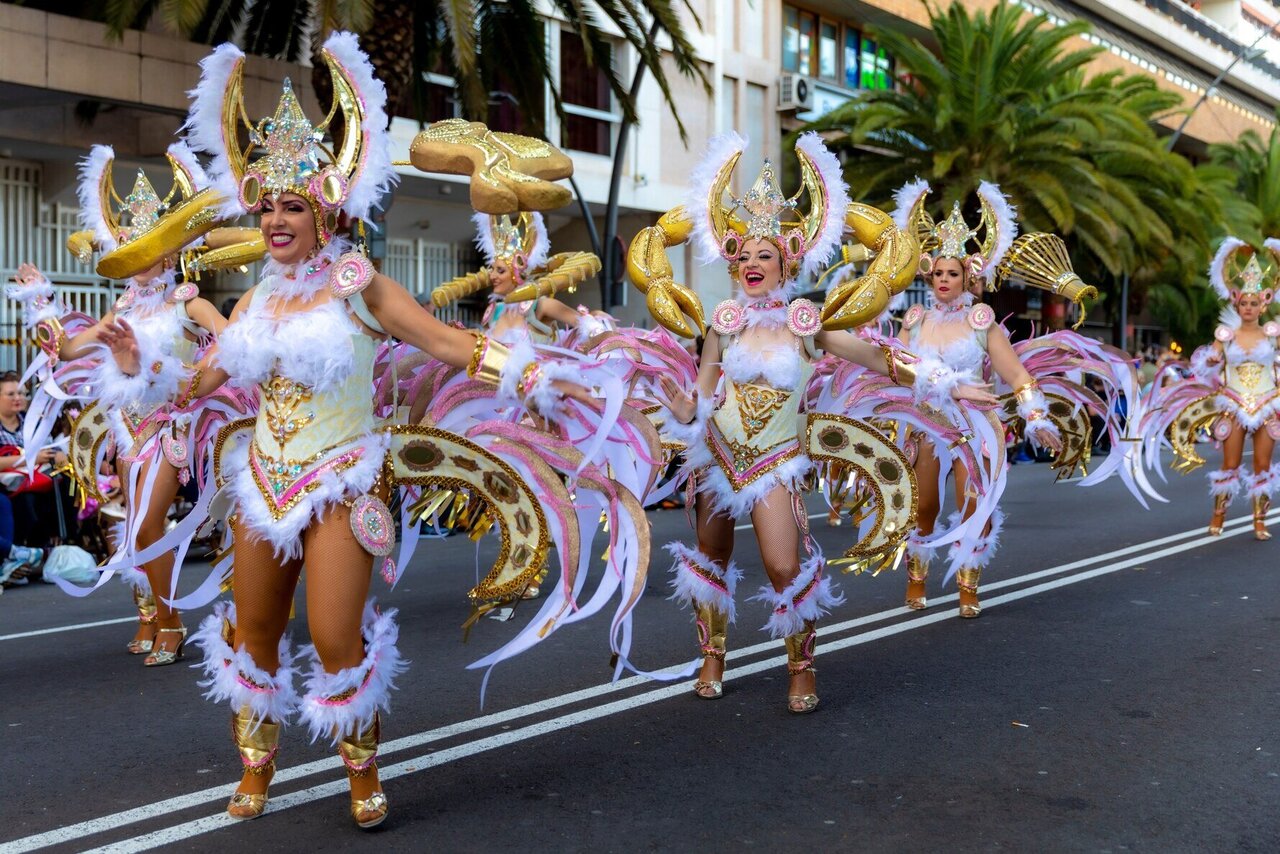
The arrival of visitors is welcomed with pride and warmth. While Carnival takes on a more cosmopolitan feel in areas such as Santa Cruz, many locals also gravitate towards neighbourhood celebrations, where the most intimate spirit of Tenerife Carnival is preserved. There is a shared sense that this celebration belongs to both residents and visitors alike. It is a festival where joy, creativity and emotion outweigh any temporary inconvenience, inviting everyone to discover it from an authentic perspective.
©Turismo de Tenerife

Experiencing Tenerife beyond the festivities

Ultimately, Tenerife Carnival is a celebration of shared emotion — a meeting point of tradition, creativity and community that allows locals and travellers alike to feel part of something greater. From Bahía del Duque, experiencing Carnival is a way of discovering the island beyond its landscapes: connecting with its people, its stories and its celebrations. A truly unique way to experience Tenerife, shaped by the hands and the heart of an entire island.

Newsletter

Through this subscription, you will receive information of your interest about the Hotel Bahía del Duque.

Newsletter

A través de esta suscripción, recibirá información de su interés sobre el Hotel Bahía del Duque.

Cookie Policy

Cookies policy

What are cookies?

Cookies are files that can be downloaded to your computer through web pages. They are tools that play an essential role in the provision of numerous services of the information society. Among others, they allow a web page to store and retrieve information about the browsing habits of a user or their equipment and, depending on the information obtained, they can be used to recognize the user and improve the service offered.

Types of cookies

Depending on who is the entity that manages the domain from where the cookies are sent and treats the data obtained, two types can be distinguished:

• Own cookies: those that are sent to the user's terminal equipment from a computer or domain managed by the editor itself and from which the service requested by the user is provided.

• Third-party cookies: those that are sent to the user's terminal equipment from a computer or domain that is not managed by the publisher, but by another entity that processes the data obtained through cookies.

In the event that cookies are installed from a computer or domain managed by the publisher himself, but the information collected through them is managed by a third party, they cannot be considered as own cookies.

There is also a second classification according to the period of time that they remain stored in the client's browser, which may be:

• Session cookies: designed to collect and store data while the user accesses a web page. They are usually used to store information that is only of interest for the provision of the service requested by the user on that single occasion.

• Persistent cookies: the data is still stored in the terminal and can be accessed and processed for a period defined by the person responsible for the cookie, which can range from a few minutes to several years.

Finally, there is another classification with five types of cookies according to the purpose for which the data obtained is processed:

• Technical cookies: those that allow the user to navigate through a web page, platform or application and use the different options or services that exist in it, such as, for example, controlling traffic and data communication, identifying the session, access parts of restricted access, remember the elements that make up an order, carry out the process of purchasing an order, make a request for registration or participation in an event, use security elements while browsing, store content for dissemination of videos or sound or share content through social networks.

• Personalization cookies: allow the user to access the service with some predefined general characteristics based on a series of criteria in the user's terminal, such as the language, the type of browser through which to access the service, the regional configuration from where to access the service, etc.

• Analysis cookies: they allow the person responsible for them to monitor and analyze the behavior of the users of the websites to which they are linked. The information collected through this type of cookies is used to measure the activity of the websites, application or platform and to create navigation profiles of the users of these sites, applications and platforms, in order to introduce improvements  based on the analysis of the usage data made by the users of the service.

• Advertising cookies: allow the management, in the most efficient way possible, of the advertising spaces.

• Behavioral advertising cookies: they store information on the behavior of users obtained through the continuous observation of their browsing habits, which allows the development of a specific profile to display based on such behavior.

• Cookies from external social networks: they are used so that visitors can interact with the content of different social platforms (facebook, youtube, twitter, linkedIn, etc.) and that are generated only for users of said social networks. The conditions of use of these cookies and the information collected are regulated by the privacy policy of the corresponding social platform.

Deactivation and elimination of cookies

You have the option to allow, block or delete the cookies installed on your computer by configuring the browser options installed on your computer. By deactivating cookies, some of the available services may no longer be operational. The way to disable cookies is different for each browser, but it can usually be done from the Tools or Options menu. You can also consult the Help menu of the browser where you can find instructions. The user may at any time choose which cookies he wants to work on this website.

You can allow, block or delete the cookies installed on your computer by configuring the browser options installed on your computer:

• Microsoft Internet Explorer o Microsoft Edge:

http://windows.microsoft.com/es-es/windows-vista/Block-or-allow-cookies

• Mozilla Firefox: http://support.mozilla.org/es/kb/impedir-que-los-sitios-web-guarden-sus-preferencia

• Chrome: https://support.google.com/accounts/answer/61416?hl=es

• Safari: http://safari.helpmax.net/es/privacidad-y-seguridad/como-gestionar-las-cookies/

• Opera: http://help.opera.com/Linux/10.60/es-ES/cookies.html